Real accounts and reservations
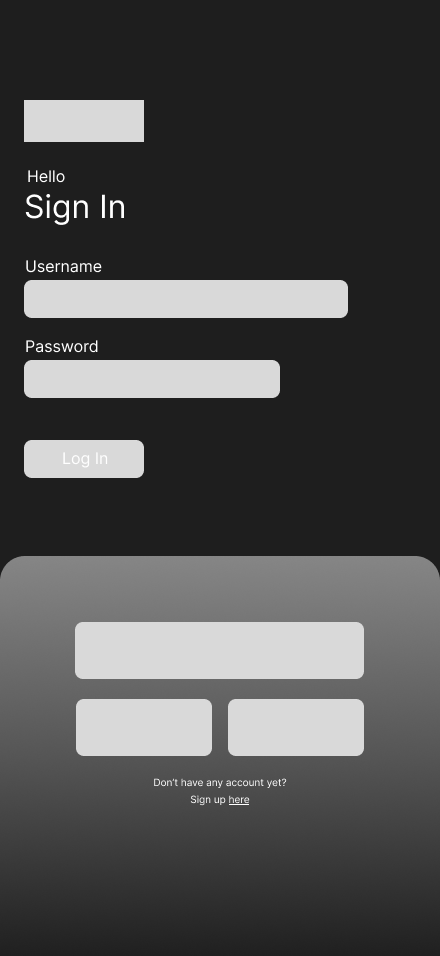
Email and password authentication, confirmed bookings, ticket codes, and cancellation.
A travel-discovery concept evolved into a live PWA with bookings, reviews, messaging, and a research-backed crew voting flow.
UX research / Product design / Full-stack PWA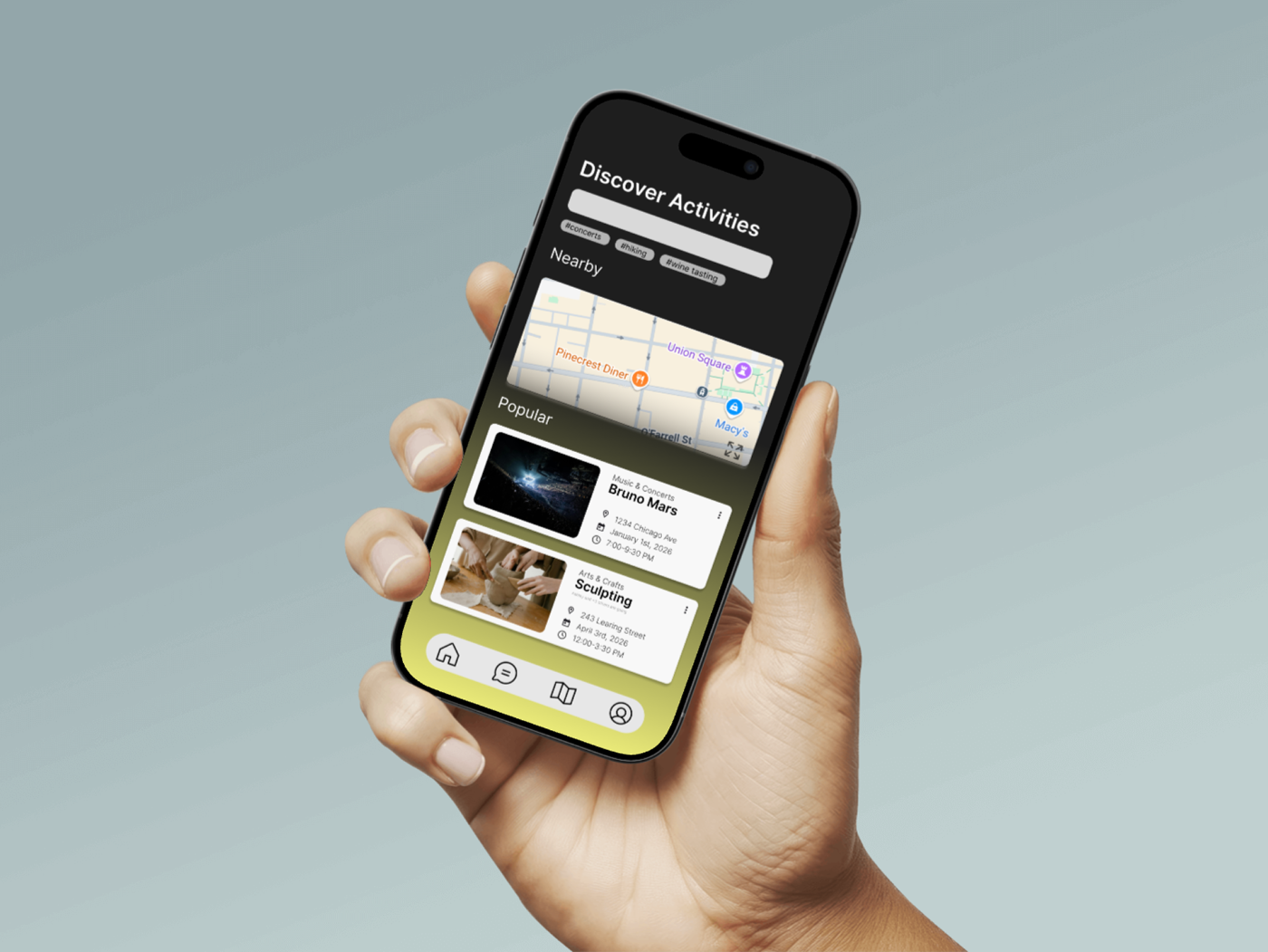 explorite ↗
You land somewhere new with two free days, and every option is either a tourist trap with 40,000 reviews or a listicle written for someone else. Travelers need to find good local activities quickly and trust what they find. On a short trip, a bad pick is expensive.
I ran and recorded user interviews, then took the raw input through affinity diagramming, empathy mapping, and journey mapping. Two research-based personas kept later decisions accountable to real traveler types instead of my own preferences.
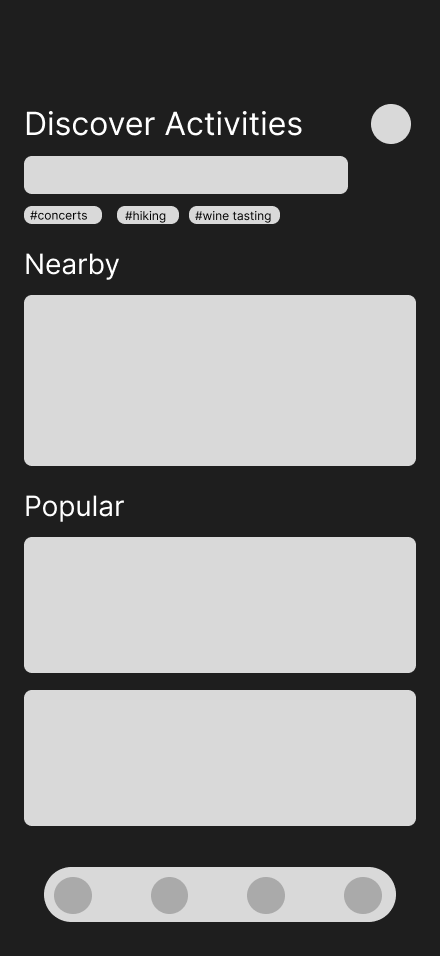
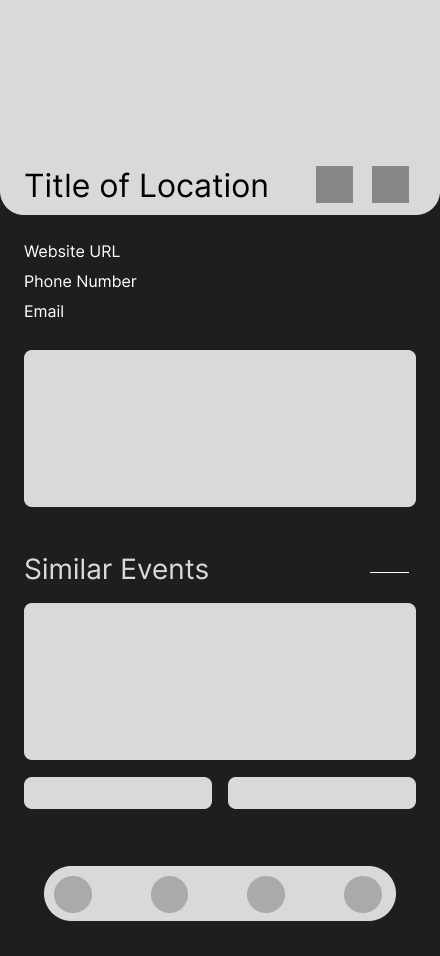
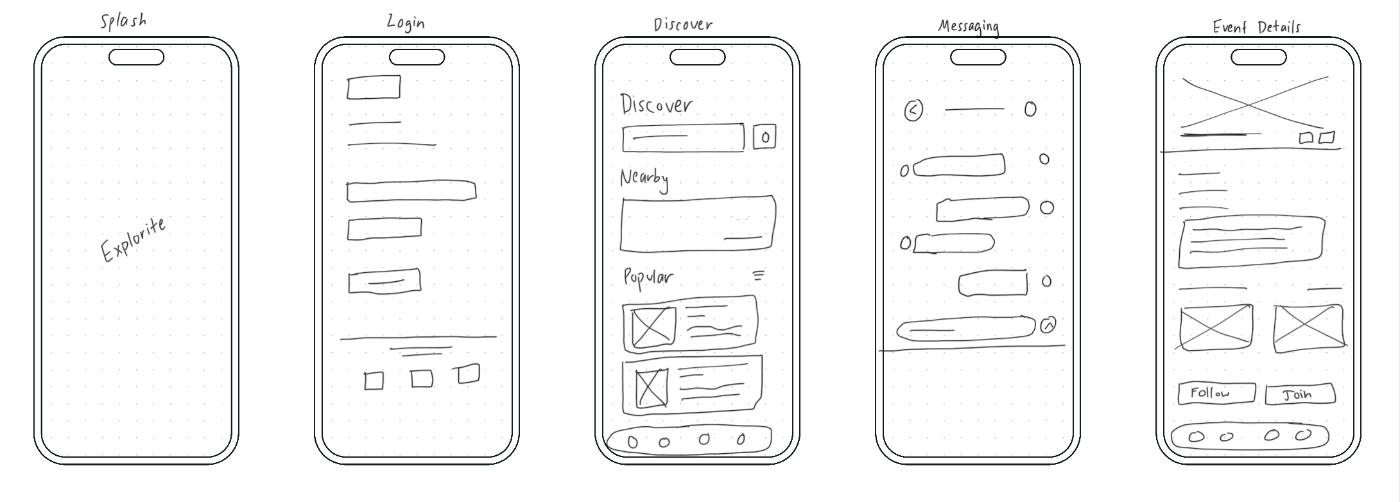
The first prototype covered the core loop across six screens: discover, evaluate, and coordinate. It proved the research-to-interface process before the product was functional.
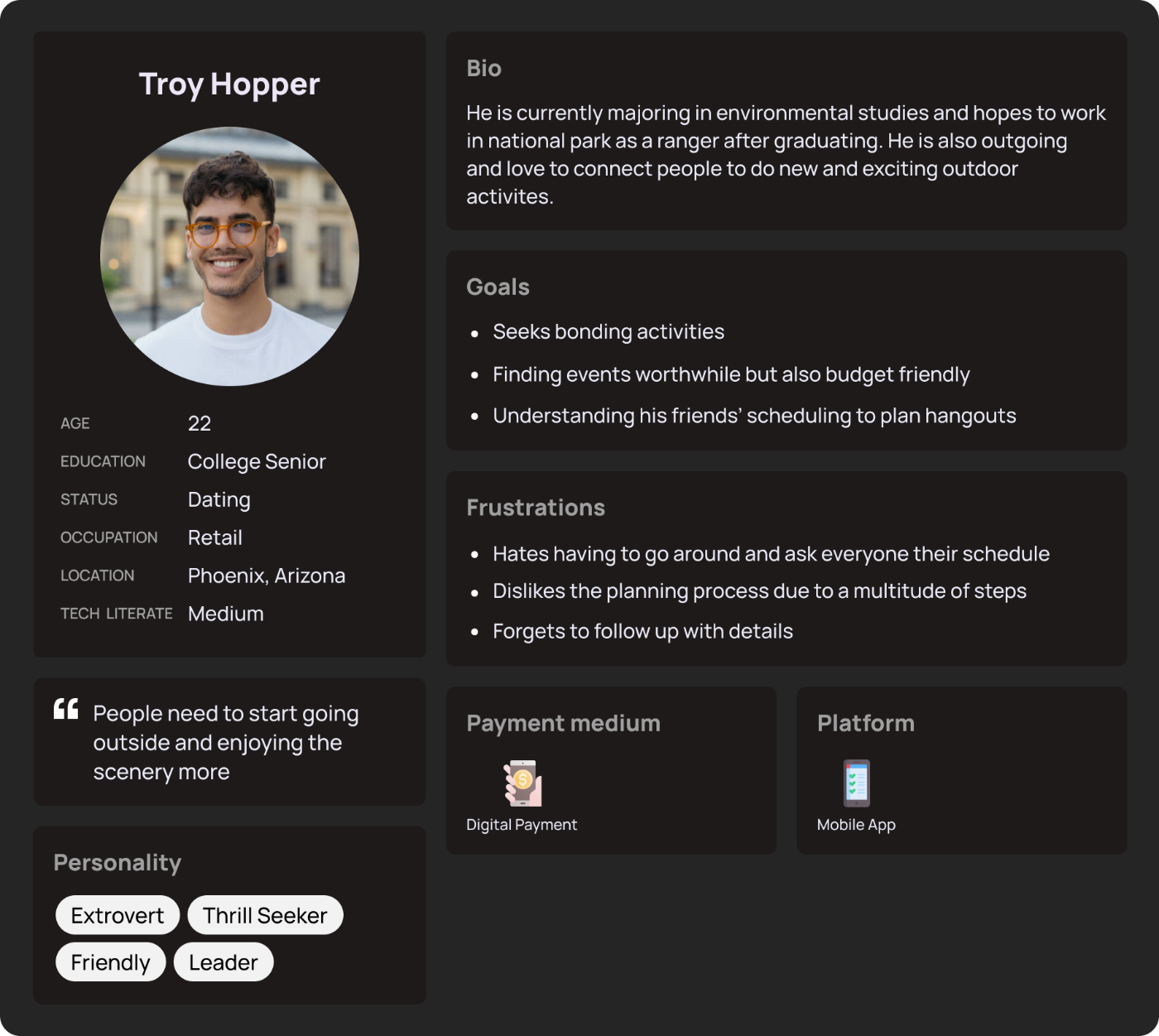
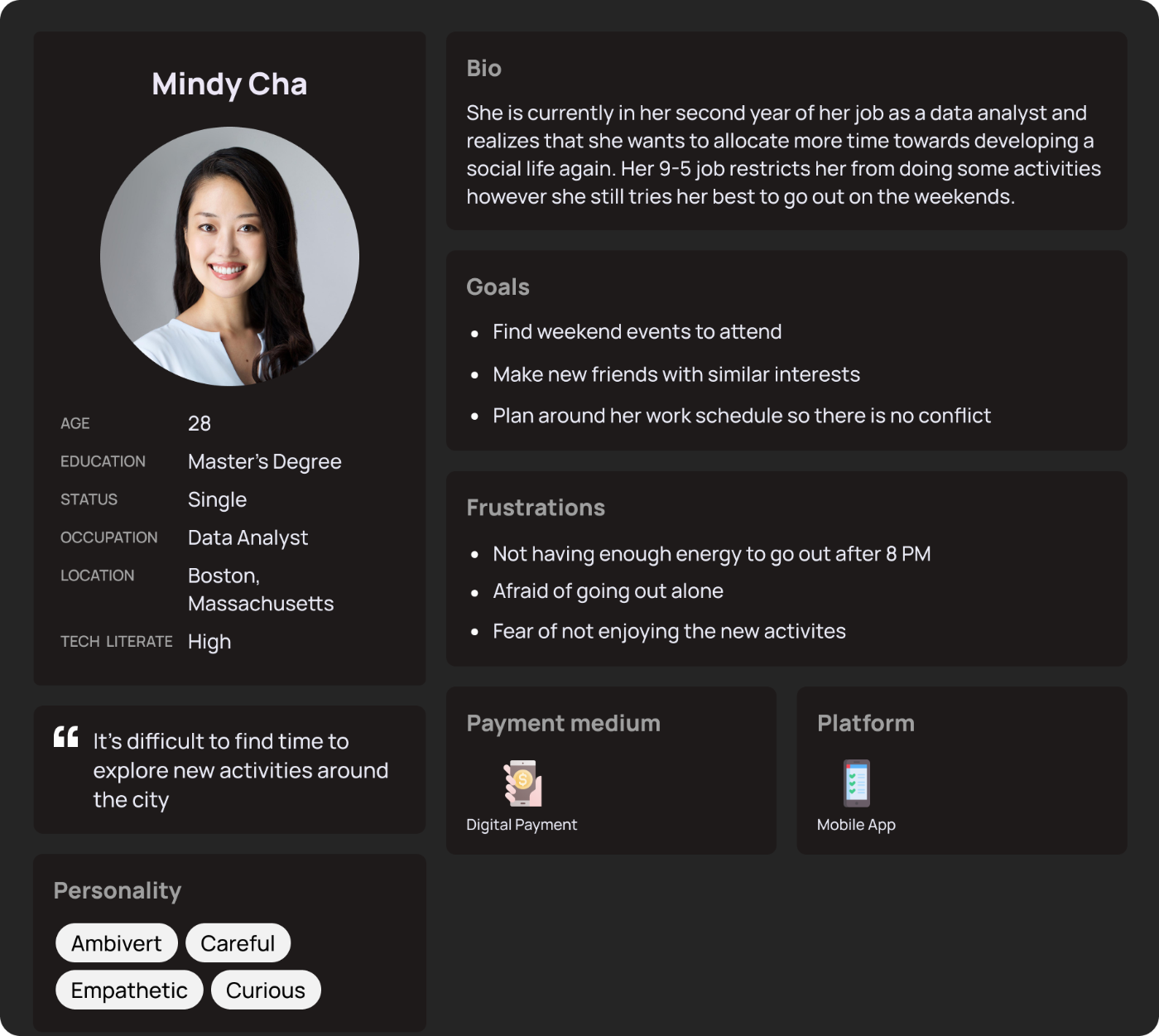
The journey map showed the experience only dipped negative at one stage: checking availability with other people. Discovery was not the only problem. Social coordination was where the trip lost momentum.
That finding became the product’s distinguishing flow. A trip owner proposes two to four times, then friends vote In, Maybe, or Out through a share link with no account required. The feature exists because the research pointed to it.
In August 2026, I rebuilt Explorite with a real Supabase backend and a new Field Journal design system: warm paper, editorial type, restrained terracotta, and documentary photography.
Email and password authentication, confirmed bookings, ticket codes, and cancellation.
Seeded reviews, with a server-side rule that only marks a review verified when the writer has a confirmed booking.
Share-token voting works without an account while invalid tokens return no plan data.
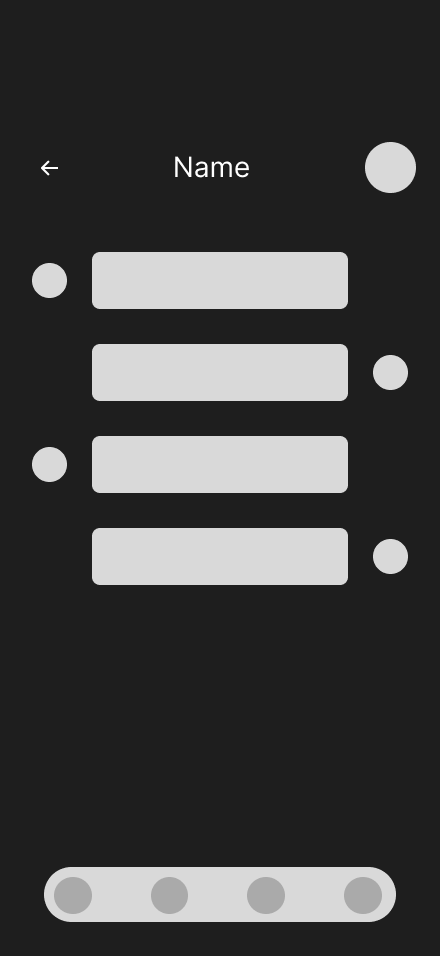
Messages use live delivery, with contextual host replies generated behind the scenes.
The app shares infrastructure with this portfolio’s backend, but namespaced tables, explicit grants, and row-level security keep their data isolated.
Explorite now shows both sides of the work: the original research process and the judgment required to turn one important finding into a real, secure, usable product. The prototype did not disappear. It became the evidence behind what shipped.